

 See My Latest Article on HelloNation
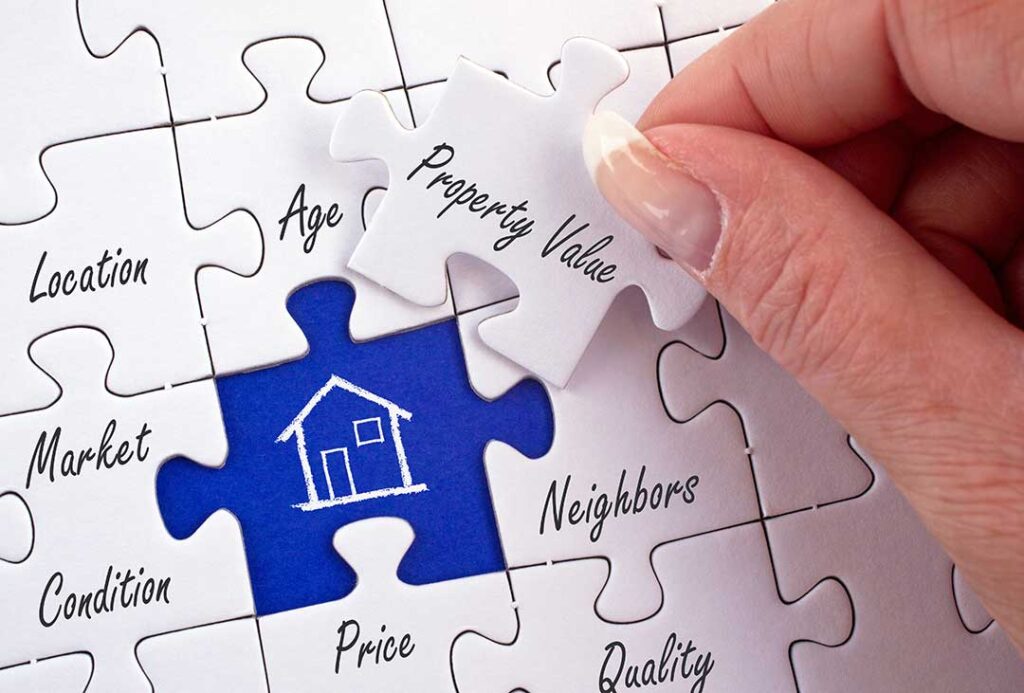
Choosing between renting and buying a home in Upper Snake Valley, ID depends on more than the monthly payment. The right option also reflects how long a household expects to stay, how much cash it can keep available, how comfortable it is with repairs, and how seasonal conditions affect housing costs.
Neither choice is automatically better. Renting can provide flexibility and fewer maintenance responsibilities, while buying may offer stability and the opportunity to build equity. The better fit depends on personal finances, housing needs, and future plans.
Is renting or buying usually cheaper?
The answer depends on the full cost of housing, not just rent or a mortgage payment. Renting may cost less in the short term, especially when a household has limited savings or expects to move within a few years. Buying may become more financially favorable over a longer period, but ownership includes expenses that renters generally do not pay directly.
A renter may budget for:
- Monthly rent
- Security deposit and application costs
- Renter’s insurance
- Utilities not included in the lease
- Possible rent increases at renewal
- Moving expenses when the lease ends
A homeowner may need to budget for:
- Principal and interest on the mortgage
- Property taxes
- Homeowners insurance
- Mortgage insurance, if applicable
- Utilities and internet service
- Repairs and routine maintenance
- Snow removal, exterior upkeep, or private-road costs
- Closing costs and future selling expenses
In a rural or lower-density area, transportation can also affect the comparison. A lower-cost home may require longer drives, greater fuel use, and more time on roads during winter weather. Those costs can influence the practical affordability of either renting or buying.
What are the main advantages of renting?
Renting generally offers greater flexibility and fewer direct responsibilities for major property repairs. This can be valuable for residents who are changing jobs, building savings, or uncertain about where they want to live long term.
Common advantages include:
- Lower upfront costs than purchasing a home
- Easier relocation when a lease ends
- Less financial exposure to changes in home values
- Fewer responsibilities for major systems such as roofing, plumbing, or heating
- More predictable housing costs when utilities and maintenance are included
Renting can also make sense for households that need time to understand the area’s seasonal conditions. Winter access, heating expenses, snow accumulation, water systems, internet availability, and commute patterns may affect whether a particular home remains practical throughout the year.
The tradeoff is that rent does not create ownership equity. A tenant also has less control over renovations, landscaping, pets, storage, and other property decisions. Lease terms may limit those choices.
What are the main advantages of buying?
Buying provides greater control over the property and can offer long-term financial benefits if the owner remains in the home long enough to offset purchasing and selling costs.
Potential advantages include:
- Building equity as the mortgage balance decreases
- Greater control over improvements and use of the property
- More predictable principal-and-interest payments with a fixed-rate loan
- The possibility of benefiting from long-term appreciation
- A stable place to live without a landlord deciding not to renew a lease
Ownership may be especially appealing to households that plan to remain in the community for many years. A property can also provide space for equipment, gardens, animals, workshops, or storage, depending on local rules and the property’s design.
However, equity is not the same as cash in the bank. Selling a home takes time and involves transaction costs. A homeowner may also need to spend money on repairs before listing the property or accept a lower price if the market is slow.
How much money should be saved before buying?
A buyer typically needs more than a down payment. Cash reserves should account for closing costs, moving expenses, immediate repairs, and several months of regular living expenses.
The amount varies by loan type and individual circumstances, but a practical budget should consider:
- Down payment requirements
- Loan fees and other closing expenses
- Inspection and appraisal costs
- Prepaid taxes and insurance
- Utility deposits or connection costs
- Furniture, tools, and household equipment
- Emergency repairs after moving in
Homes in areas with cold winters can require additional preparation. Heating systems, insulation, roofs, driveways, exterior water lines, and access routes may create expenses that are easy to overlook during a warm-weather home search.
A buyer who uses nearly all available savings for the purchase may become financially vulnerable after closing. Keeping an emergency reserve can be more important than making the largest possible down payment.
How long should someone plan to stay before buying?
Buying often makes more sense when a household expects to stay for several years rather than only a short period. The reason is that purchasing and selling a home involve costs that are difficult to recover quickly.
A short ownership period may not provide enough time for:
- Mortgage payments to reduce the loan balance substantially
- Home improvements to add measurable value
- Market appreciation to offset transaction expenses
- The household to recover the original closing costs
There is no universal minimum holding period. The answer depends on the purchase price, financing terms, expected selling costs, local demand, and the household’s reason for moving. Someone with a stable job and long-term housing needs may reasonably buy sooner than someone whose employment or family situation is unsettled.
What local factors should residents consider?
Housing decisions in Upper Snake Valley should account for conditions that may be less significant in milder or more densely developed areas. Seasonal weather can affect heating bills, roof maintenance, vehicle access, and travel time. Rural properties may also have private wells, septic systems, propane or other fuel arrangements, longer driveways, or limited access to municipal services.
Before renting or buying, it is useful to understand:
- How the home is heated and the typical fuel costs
- Whether roads and driveways are publicly maintained
- How snow removal is handled
- The age and condition of the roof, windows, insulation, and heating equipment
- Whether the property uses a well, septic system, or other private infrastructure
- Internet and cellular availability at the specific address
- Storage needs for vehicles, tools, recreational equipment, or winter supplies
- Restrictions affecting animals, outbuildings, renovations, or land use
These details can change the total cost of housing substantially. A home with a lower purchase price may require more maintenance, while a rental with a higher monthly payment may include services that reduce uncertainty.
Is buying always a better investment than renting?
No. Buying can build equity, but it also creates financial obligations and exposes the owner to repair costs and changes in property value. Renting can be financially reasonable when it allows a household to save, avoid excessive debt, or remain flexible.
The comparison should focus on the household’s overall financial position rather than a simple rule that mortgage payments are “wasted” or that rent is always “throwing money away.” Rent pays for housing, flexibility, and reduced maintenance responsibility. Mortgage payments pay for housing while also reducing debt over time, but interest, taxes, insurance, maintenance, and selling costs reduce the financial benefit.
A careful comparison includes the likely monthly cost, upfront cash, emergency reserves, expected length of stay, and the value of flexibility.
Which option may fit different household situations?
Renting may be a better fit for someone who:
- Expects to move within a few years
- Has limited savings for repairs and closing costs
- Wants to test local living conditions before committing
- Prefers not to manage property maintenance
- Has uncertain employment or household plans
Buying may be a better fit for someone who:
- Expects to remain in the area for the long term
- Has stable income and manageable debt
- Can afford the full ownership cost, not only the mortgage
- Has savings remaining after closing
- Wants control over the property and greater long-term stability
The decision does not need to be permanent. Renting for a period can be a deliberate step while building savings, learning local conditions, or identifying the type of property that will work over time. Buying also does not guarantee that a household will stay forever; life circumstances can change.
The most useful question is not simply, “Which costs less?” It is, “Which choice supports this household’s finances, time horizon, and day-to-day needs without creating unnecessary strain?”