

 See My Latest Article on HelloNation
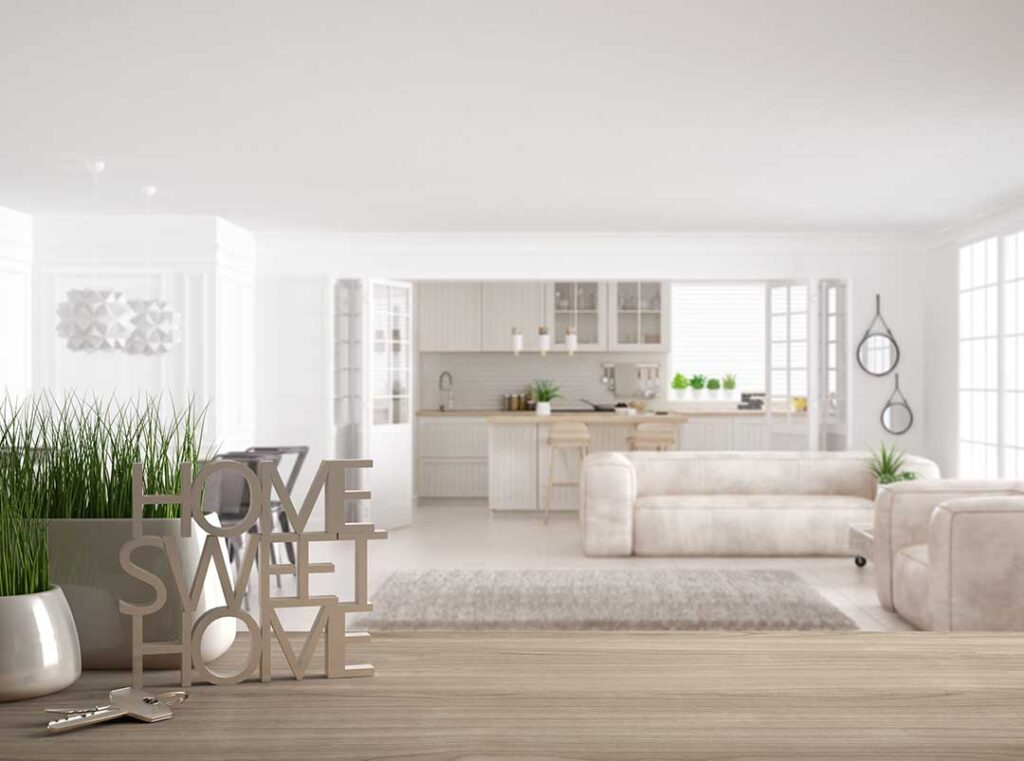
Selling a home does not require expensive furniture, major renovations, or a complete redesign. Staging on a budget is mainly about helping buyers understand the space, notice its useful features, and imagine living there.
In Upper Snake Valley, where homes may need to function around changing seasons, outdoor gear, storage needs, heating systems, and rural or semi-rural routines, practical presentation often matters more than decoration. A clean, comfortable, well-organized home can make a stronger impression than a property filled with costly furnishings.
What does staging a home actually accomplish?
Staging improves how a home looks, feels, and functions during showings. It does not hide defects or replace needed repairs. Instead, it presents the property in a way that makes its layout and condition easier to understand.
Good staging helps buyers answer basic questions quickly:
- Is the home clean and well maintained?
- Does each room have a clear purpose?
- Is there enough storage?
- How does the living space connect to the kitchen, bedrooms, yard, garage, or outbuildings?
- Could everyday furniture fit comfortably?
The goal is not to make the home look luxurious. The goal is to reduce distractions and show the property’s most useful qualities.
Where should a limited staging budget go first?
A small budget is best spent on cleaning, decluttering, lighting, and minor repairs before decorative items. These changes affect nearly every room and are usually more valuable than purchasing new furniture.
Prioritize the following:
1. Deep cleaning: Focus on kitchens, bathrooms, floors, windows, baseboards, doors, and visible heating or cooling equipment.
2. Decluttering: Remove excess furniture, crowded shelves, stacked bins, and items that make rooms feel smaller.
3. Lighting: Replace burned-out bulbs and use consistent, neutral light levels throughout the home.
4. Minor maintenance: Tighten loose handles, repair dripping faucets, patch small wall marks, and replace damaged switch plates.
5. Entry presentation: Clear the front approach, sweep steps and porches, and make the entry feel safe and easy to use.
These improvements are especially useful in homes that have experienced long winters, muddy shoulder seasons, dust, wood heat, or heavy outdoor use.
How can rooms look larger without buying new furniture?
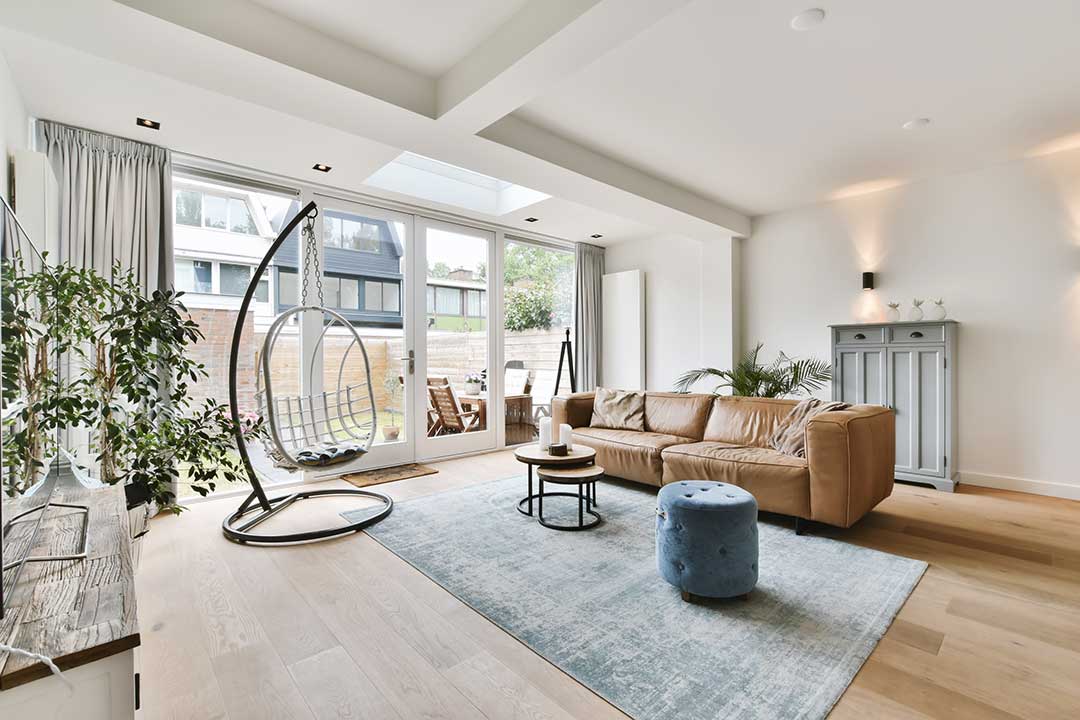
The simplest approach is to remove furniture rather than add more. A room often feels larger when there is a clear walking path and enough open floor area around major pieces.
Try these adjustments:
- Remove one occasional chair, small table, or storage piece from crowded rooms.
- Move sofas and beds slightly away from walls when the layout allows.
- Keep pathways between doors, windows, and major rooms open.
- Store extra rugs, baskets, hobby equipment, and seasonal decorations.
- Use furniture that matches the scale of the room instead of forcing every available piece into the space.
In bedrooms, make the bed the visual focus and reduce the number of items on dressers and nightstands. In living rooms, arrange seating to show conversation space rather than pointing every chair toward a television.
What should be done with personal belongings?
Personal belongings should be reduced, not necessarily eliminated. Buyers need to see that the home is lived in, but too many personal items can make it difficult to focus on the property.
Pack or store:
- Collections and large displays
- Excess family photographs
- Visible paperwork and financial documents
- Valuables and medications
- Seasonal clothing that is not currently needed
- Large quantities of sports, hunting, fishing, gardening, or work equipment
- Pet crates, litter supplies, and excess toys during showings
Storage areas deserve attention because buyers commonly inspect closets, pantries, garages, and utility rooms. Avoid simply moving clutter from living areas into these spaces. Use labeled containers, remove broken items, and leave some open shelving or floor area visible.
How can a kitchen be staged inexpensively?
A kitchen usually benefits more from cleanliness and open counter space than from decorative upgrades. Clear most appliances, mail, food packaging, and miscellaneous items from the counters.
Low-cost improvements may include:
- Cleaning cabinet fronts and hardware
- Washing windows and light fixtures
- Organizing the pantry
- Removing old magnets and papers from the refrigerator
- Replacing a worn dish towel with a clean, simple one
- Adding a small bowl of fresh produce if the counter remains uncluttered
Do not cover up plumbing leaks, damaged flooring, broken appliances, or other condition issues with decorative objects. Buyers are likely to notice them during an inspection or close look.
What changes help bathrooms and bedrooms?
Bathrooms should look dry, clean, bright, and easy to maintain. Remove personal products from counters and showers, clean grout and fixtures, and use fresh towels in simple colors. Repair loose towel bars, sticky doors, or slow drains if possible.
For bedrooms, reduce visual noise. Make beds neatly, clear floors, and keep closets from appearing overfilled. If a room is being used as an office, storage area, or exercise space, make its primary function understandable. A desk, bed, or organized storage arrangement is usually more helpful than a room that appears to serve several unrelated purposes.
Should outdoor spaces be staged too?
Yes. Outdoor areas can be particularly meaningful in Upper Snake Valley because residents may use porches, yards, garages, sheds, and driveways for recreation, storage, gardening, firewood, tools, and seasonal equipment.
Outdoor staging does not require landscaping projects. Focus on safety and usability:
- Sweep porches, steps, sidewalks, and entry paths.
- Remove unused containers, broken equipment, and loose materials.
- Stack firewood neatly and safely.
- Trim vegetation that blocks windows or walkways.
- Make sheds, garages, and outbuildings easier to enter and understand.
- Store hoses, toys, tools, and seasonal equipment in an orderly way.
- Check that exterior lights work, especially if showings may occur during shorter winter days.
During colder months, clear snow and ice from walking routes when needed. In warmer months, remove dust, cobwebs, and accumulated yard debris.
What staging choices can hurt a home’s presentation?
Over-staging can be just as distracting as under-staging. Avoid filling rooms with rented décor, strong fragrances, oversized furniture, or highly specific themes.
Other common problems include:
- Using dark curtains that block natural light
- Leaving all window coverings closed
- Displaying too many signs of deferred maintenance
- Hiding storage problems in closets or garages
- Using scented products to mask odors
- Rearranging furniture so rooms are difficult to walk through
- Removing every personal item and making the home feel sterile
- Decorating around a holiday or season so heavily that buyers focus on the decorations
Neutral does not have to mean bland. A clean blanket, a few books, a simple plant, or a modest piece of artwork can add comfort without overwhelming the room.
How should a home be prepared for photographs and showings?
Photography and in-person visits require slightly different preparation. For photographs, open curtains and blinds, turn on lights, remove trash cans, close toilet lids, and clear counters. For showings, keep the home consistently ready because visitors may arrive after weather changes or during different times of day.
Before each showing, check:
- Floors and entry areas
- Kitchen and bathroom surfaces
- Pet-related items
- Laundry and dishes
- Temperature and ventilation
- Exterior paths
- Odors from cooking, smoke, dampness, or stored materials
A home does not need to look untouched. It should look cared for, functional, and easy to navigate. That standard is achievable with planning, borrowed items, careful editing, and focused cleaning rather than a large decorating budget.